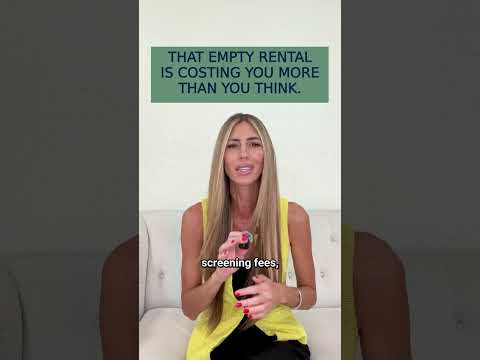
Every time a tenant moves out, most Treasure Coast landlords brace for a cleaning bill and maybe a few weeks of lost rent. But the real cost of tenant turnover is almost always higher than that quick mental estimate. In a recent video from Good Neighbor Home Buyers—The Hidden Cost of Tenant Turnover—we walk through the line items landlords routinely forget, and explain why some property owners eventually decide to sell rental property with tenants rather than keep absorbing those recurring expenses.
Below, we break down the video's key points and add practical context for landlords on Florida's Treasure Coast.
What the Video Covers: Tenant Turnover Costs Most Landlords Miss
The video makes one central argument: lost rent is only one line item, and it is rarely the biggest number on the page. The full turnover cost includes several categories that landlords tend to overlook.
Make-Ready Work
Before a property is ready to show, it typically needs deep cleaning, repainting, and minor repairs. On the Treasure Coast, Florida's humidity and salt air can accelerate wear on paint, caulking, and exterior surfaces, which means make-ready work here can be more involved than landlords in drier climates might expect.
Vacancy Utilities
While the unit sits empty, someone still has to cover water and electric. In Florida, leaving a property without climate control—even briefly—can invite mold growth and pest issues, so most landlords keep the air conditioning running during vacancy. That utility bill adds up fast in the summer months.
Screening Fees
Credit checks, background checks, and application processing cost money for each applicant. If you screen three or four people before finding a qualified tenant, those fees stack up. The video notes that these per-applicant costs are easy to forget when you are budgeting for turnover.
Your Time
Showings, phone calls, lease paperwork, coordinating vendors—these hours rarely get counted as a cost. But they are real, especially for self-managing landlords who are juggling a day job or other properties. The video emphasizes that the time nobody tracks is often one of the largest hidden expenses.
Surprise Repairs
Carpet cleaning or replacement, leaky faucets, and appliance checks come up during almost every turnover. A unit that looked fine with a tenant living in it can reveal problems once furniture is moved out and you do a proper walk-through.
How to Track the True Cost: Move-Out Day to Move-In Day
The video offers a straightforward exercise: before your next tenant moves out, write down every cost from move-out day to move-in day—not just the obvious ones. Here is a simple framework Treasure Coast landlords can use.
- Lost rent: Count every day the unit sits vacant, not just full months.
- Make-ready labor and materials: Cleaning crew, paint, patching supplies, landscaping touch-ups.
- Vacancy utilities: Electric, water, trash, internet (if included in the lease).
- Screening and marketing: Listing fees, background check costs, yard signs, photography.
- Repairs discovered at move-out: Appliance replacement, plumbing fixes, flooring.
- Your hours: Estimate a reasonable hourly rate and multiply by the time you spend managing the process.
When you add all of these together, the total often surprises landlords who have only been tracking the rent gap. If you go through this exercise after two or three turnovers, you will have a realistic per-turnover cost that can inform bigger decisions about the property.
When the Turnover Cycle Becomes a Pattern
One turnover is manageable. But when the cycle keeps repeating—especially on older Treasure Coast properties where each make-ready round gets more expensive—landlords start to question whether the rental income justifies the ongoing reinvestment.
Common signs the pattern is becoming unsustainable:
- Make-ready costs are climbing with each turnover because the property needs deeper repairs.
- Vacancy periods are getting longer due to market conditions or property condition.
- You are spending more personal time on management than you planned.
- Net cash flow after turnover costs is thin or negative.
If any of these sound familiar, it may be worth understanding your options—including the possibility of selling.
Can You Sell a Rental Property With Tenants?
Yes. In Florida, it is possible to sell a rental property with tenants still in place. The video notes that selling the property as-is may be one option worth understanding, though it is not the only one.
Selling to a cash buyer like Good Neighbor Home Buyers can simplify the process because there are no lender requirements for repairs, no staging, and no need to wait for a lease to expire before listing. We buy houses directly on the Treasure Coast—including occupied rentals—so landlords do not have to navigate the turnover cycle one more time just to prepare for a traditional sale. You can learn more about selling a rental property with tenants on our website.
That said, every situation is different. Some landlords benefit from holding the property, raising rent, or finding a property manager. If your decision involves tax implications, lease obligations, or tenant rights, consult a licensed attorney or tax professional for guidance specific to your circumstances.
Why Treasure Coast Landlords Face Unique Turnover Pressures
Florida's Treasure Coast—covering St. Lucie, Martin, and Indian River counties—has its own rental dynamics. Seasonal residents, military families near nearby bases, and retirees create a tenant pool that can be transient. That means turnover may happen more frequently than in markets with more stable, long-term renter populations.
Additionally, Florida's climate puts extra wear on properties. Salt air corrodes fixtures, humidity fuels mold, and hurricane seasons can accelerate exterior deterioration. Each of these factors can increase make-ready costs compared to properties in milder climates.
If you are a Treasure Coast landlord weighing your next move, understanding the full cost of turnover is the first step. From there, you can decide whether to reinvest, hire professional management, or explore selling your house as-is in Florida.
Getting a Straight Answer on Your Property's Value
Good Neighbor Home Buyers is a family-owned company that buys houses directly for cash on the Treasure Coast. There is no obligation, no listing fees, and no requirement to make repairs before selling. If you want to understand what a cash offer on your rental property might look like, you can request a no-obligation cash offer or call us at (772) 448-1829.
You can also visit our how it works page to see the step-by-step process, or check where we buy to confirm we serve your area.
The Hidden Cost of Tenant Turnover
Every time a tenant moves out, landlords usually underestimate what turnover actually costs. Here's what most landlords forget to count before the next tenant moves in. Lost rent is only one line item. The full number is usually higher than people expect. Turnover costs typically include more than lost rent. It's the make-ready work, vacancy utilities, screening fees, and the hours you spend managing the process. Once a tenant leaves, the property needs work before it's ready to show, and someone has to cover that time and those repairs. Make-ready work like deep cleaning, repainting, and minor repairs typically comes before the next tenant moves in. During the vacancy, you're usually still paying water and electric until someone signs a new lease. Screening a new tenant can add credit and background check fees for each applicant. Showings, phone calls, and lease paperwork take real hours that rarely get counted as a cost. Carpet cleaning or replacement, leaky faucets, and appliance checks can come up during almost every turnover. The costs people expect are cleaning and marketing. The costs that actually add up are the vacancy days and the time nobody tracks. Before your next tenant moves out, write down every cost from move-out day to move-in day, not just the obvious ones. The rent you lost is rarely the biggest number on the page. If this pattern keeps repeating, selling the property as is may be one option worth understanding, though it isn't the only one. Comment CYCLE and I will send you the rental turnover cost checklist.
- More Landlords & Rental Property
- Sell a rental property with tenants
- Sell a Florida rental as-is
- request a no-obligation cash offer
- how it works
- where we buy
- Why Landlords Sell Profitable Rentals on the Treasure Coast
- Dividing Home Equity in Divorce: Co-Owned Rentals
- Rental Property Taxes Increased? Check These Three Things
This article is general information, not legal or financial advice. For your specific situation, talk to a qualified professional.