If you've recently inherited a house on Florida's Treasure Coast, you may be wondering whether you have to wait until probate fully closes before you can sell. It's one of the most common myths we hear. The short answer: in many cases, you can sell an inherited house in Florida while probate is still open — once the court grants you the authority to act.
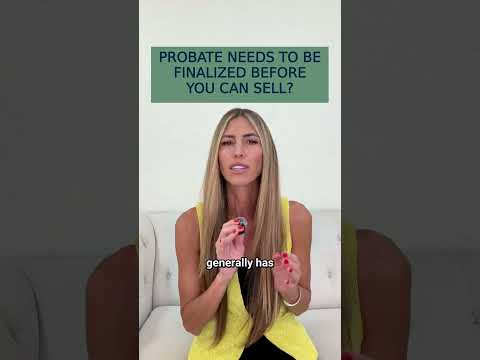
We recently published a short video that walks through this exact topic. Below, we'll recap what the video covers and then expand with practical context for families navigating probate on the Treasure Coast.
What the Video Explains About Selling During Probate
The video, Probate Isn't Finished Yet? Here's When You Can List, tackles the myth that every step of probate must be complete before a property can be sold. The key takeaway: once the court formally appoints a personal representative (sometimes called an executor) and grants them authority over the estate, that person may already have the legal power to manage and sell estate property — even while the probate case remains open.
A sale generally cannot happen before that appointment is made. But after it is, the personal representative typically petitions the court for permission to sell. How much court oversight is involved depends on the state and the type of probate administration.
The video also notes that court involvement exists to protect heirs and creditors by making sure the property sells for a fair price. In some states, there may even be a confirmation hearing where other buyers can bid higher after an offer is accepted.
How This Works in Florida
Florida has its own probate rules, and they differ from states like Texas that the video references. Here's what's generally relevant for Treasure Coast families:
Formal vs. Summary Administration
Florida probate typically falls into two tracks:
- Formal administration — used for larger estates or when required by the circumstances. A personal representative is appointed by the court and receives Letters of Administration (or Letters Testamentary if there's a will). This person manages estate assets, including real property.
- Summary administration — a simplified process available when the estate's value falls below a certain threshold or the decedent has been dead for more than two years. There is typically no personal representative appointed, and the court may issue an order transferring property directly.
If you're going through formal administration, the personal representative generally has the authority to sell real property once appointed — but may need court approval depending on the terms of the will and the type of authority granted.
Letters of Administration and Your Authority
As the video emphasizes, your appointment paperwork matters. In Florida, Letters of Administration or Letters Testamentary are the documents that prove you have legal authority to act on behalf of the estate. Title companies, buyers, and closing agents will want to see these before any sale can proceed.
Check your letters carefully. They outline the scope of your authority. If you're unsure what you're allowed to do, consult a licensed probate attorney — this is not an area where guessing is wise.
Court Approval for the Sale
In many Florida probate cases, the personal representative must petition the court for authorization to sell real property. The court reviews the proposed sale to confirm it's in the best interest of the estate. This step protects both heirs who stand to inherit and creditors who may have claims against the estate.
The timeline for getting court approval varies. Some Treasure Coast counties move faster than others, and the complexity of the estate plays a role. Your probate attorney can give you a realistic estimate based on your specific situation.
Why Families on the Treasure Coast Consider Selling Early
Holding an inherited property during probate comes with real costs. While the case is open, someone still has to pay for:
- Property insurance
- Property taxes
- Lawn care and maintenance
- HOA dues (if applicable)
- Utilities to prevent damage
For families in Port St. Lucie, Fort Pierce, Stuart, Vero Beach, and surrounding areas, these carrying costs add up — especially if the home is vacant or needs repairs. Selling sooner, when legally permitted, can relieve that financial pressure and help the estate settle more efficiently.
Selling an Inherited House As-Is
Many inherited homes on the Treasure Coast need work. Deferred maintenance, outdated systems, or personal belongings left behind can make a traditional listing feel overwhelming — especially when you're also managing the emotional weight of losing a loved one.
Selling the house as-is in Florida is one option worth considering. It means you skip repairs, staging, and the uncertainty of waiting for a retail buyer. As the video notes, selling as-is may be one option, but it's never the only one. Weigh your choices carefully.
At Good Neighbor Home Buyers, we buy houses directly for cash on the Treasure Coast. If you're a personal representative looking for a straightforward sale without repairs or agent commissions, we're happy to walk you through how a cash offer works — with zero pressure or obligation.
Steps to Sell an Inherited House During Probate in Florida
While every estate is different, here's a general outline of the process:
- Step 1: Open probate and get appointed as personal representative by the court.
- Step 2: Receive your Letters of Administration or Letters Testamentary.
- Step 3: Review your authority — can you sell without additional court approval, or do you need to petition?
- Step 4: If required, petition the court for permission to sell the property.
- Step 5: Market the property or consider a direct cash sale.
- Step 6: Close the sale and distribute proceeds according to the estate plan or court order.
A probate attorney licensed in Florida should guide you through each step. We always recommend working with a qualified professional for case-specific legal advice.
When You're Ready to Explore Your Options
If you've inherited a property on the Treasure Coast and you're unsure what to do next, you don't have to figure it out alone. You can learn more about selling an inherited house in Florida or request a no-obligation cash offer from our team.
We're a family-owned company based right here on the Treasure Coast. Give us a call at (772) 448-1829 if you'd like to talk through your situation. No pressure, no hype — just honest answers in plain English.
You can also explore the areas we serve across Florida's Treasure Coast.
Probate Isn't Finished Yet? Here's When You Can List
You don't have to wait until probate closes to sell the house. Here's when you can actually list the house. In many states, you can sell once the court appoints a personal representative and gives them authority over the estate. Yes, in many states you can sell the house during probate, before the case fully closes. Once someone is formally appointed by the court, whether that's called an executor or a personal representative, they may already have the legal authority to manage and sell estate property, even while probate is still open. A sale usually cannot happen until that appointment is made. After that, the personal representative generally has to petition the court for permission to sell. How much court oversight is required depends on your state and the type of administration. For example, in Texas, a dependent administration requires court approval to sell, while an independent administration may not. Court involvement exists mainly to make sure the property sells for a fair price, which protects both the heirs and any creditors of the estate. In some states, there's also a confirmation hearing after an offer is accepted, where other buyers may still have a chance to bid higher. There's a real difference between probate being open and having no authority to act. Once you're appointed, you may already have the authority to sell, even while the case is still open. Check your appointment paperwork, sometimes called Letters Testamentary or Letters of Administration, to see what authority the court has already granted you. Open probate doesn't always mean closed doors. Selling the house as is may be one option worth considering, but it is never the only one. Comment PHASE and I will send you the probate sale timing guide.
- More Inherited Property & Florida Probate
- Sell an inherited house in Florida
- Florida probate home-sale guide
- Selling with multiple heirs
- Request a no-obligation cash offer
- How our cash buying process works
- Sell your house as-is in Florida
- Areas we serve on the Treasure Coast
- Sell Inherited House Florida: Do You Need a Lawyer?
- Sell Inherited House Florida: A Plain-English Guide
- How to Sell an Inherited House in Florida Fast
This article is general information, not legal or financial advice. For your specific situation, talk to a qualified professional.